






Discovering the Discoveries
Did you know that ships have been named Discovery for over 500 years?
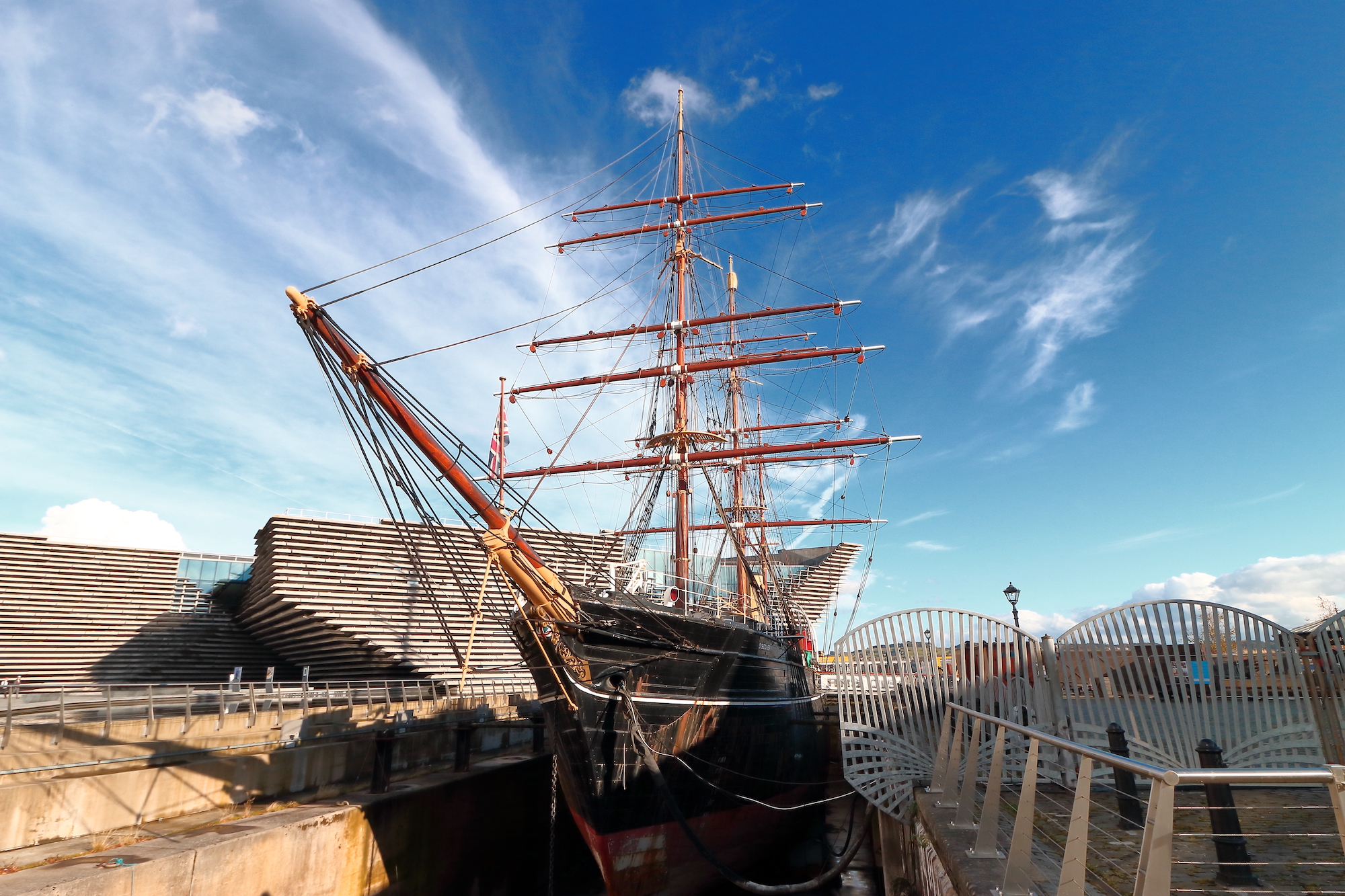
Inspired by the recent celebration of 125 years since Captain Scott’s Discovery launched in Dundee in 1901, Dundee Heritage Trust volunteer Gemma dived into the name Discovery; and all of the ships that shared that name before and after 1901.
—
Introduction
I am Gemma, from Cardiff in South Wales, and have a keen interest in Antarctic exploration; in particular, Robert Falcon Scott due to the links between Cardiff and the Terra Nova expedition. A trip to the ‘Scott’s Last Expedition’ exhibition in 2011 sparked my interest, which has strengthened over the years; including trips to Discovery Point, the Scott Polar Research Institute and the International Antarctic Centre. I also had many interesting conversations around antarctic exploration with my husband’s grandfather Tony, who was a ship’s carpenter. I was able to use some of his books to help support this research and I would like to dedicate this blog to him and his love of the sea.
With the celebration of 125 years since the Discovery launched this year, I have been researching other ships that are also named Discovery. Some of these have taken direct inspiration from the RRS Discovery (1901) and others that came before and after. With such an inspiring name, it is no surprise that there were quite a few for me to find.
Early ships
Discovery (1602)
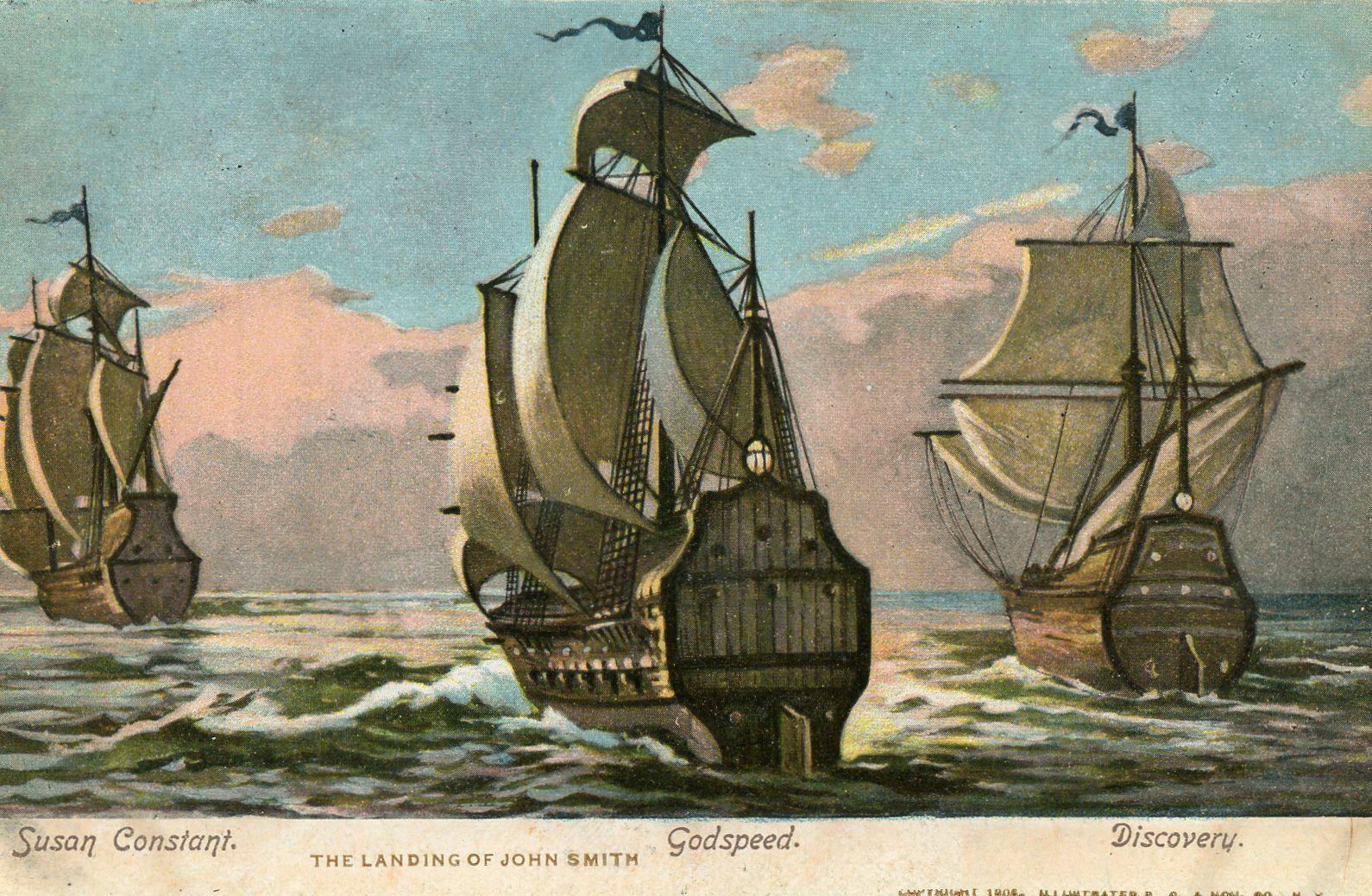
The earliest ship I found was from the 1600s. This Discovery was built in 1602 and was owned by the English Virginia Company. It arrived in Jamestown, Chesapeake Bay, on 13th May 1607, captained by Bartholomew Gosnold and looking to create a trade monopoly on the east coast of America. In 1610, it was used for Henry Hudson’s final voyage North in pursuit of the Northwest Passage. There was a mutiny in 1611 and the ship returned to England that year with only eight of the original crew still onboard.
A replica of Discovery (1602) can now be seen in the grounds of Westenhanger Castle, Kent.
HMS Discovery (1774)
Moving onto the 1700s, the next Discovery sailed as a companion ship during Captain Cook’s last voyage in search for a North-West Passage. Cook was a renowned 18th Century explorer.
Originally launched in Whitby in 1774 under the name Collier, HMS Discovery weighed 299 tons and sailed from Plymouth in 1776, captained by Charles Clerke. The Discovery’s voyage was delayed because Captain Clerke was temporarily in debtors’ prison as a guarantor of his brothers’ debts and they caught up with Cook’s ship Resolution in Table Bay. They did not find the North-West Passage and lost Captain Cook in a fight following the kidnapping of a Hawaiian King, and Captain Clerke to Tuberculosis before returning to England in 1780.
The ship was dismantled in the 1790s, and was the inspiration for the name of a NASA Space Shuttle in the 1980s; more about this below.
HMS Discovery (1789)
Another Discovery sailing in the 1700s was HMS Discovery (1789), which undertook a 4-year expedition captained by George Vancouver between April 1792 and 1795. Covering 55,000 miles, it charted the inlets and bays of the Pacific Northwest and discovered the Chatham Islands on route via the Cape of Good Hope.
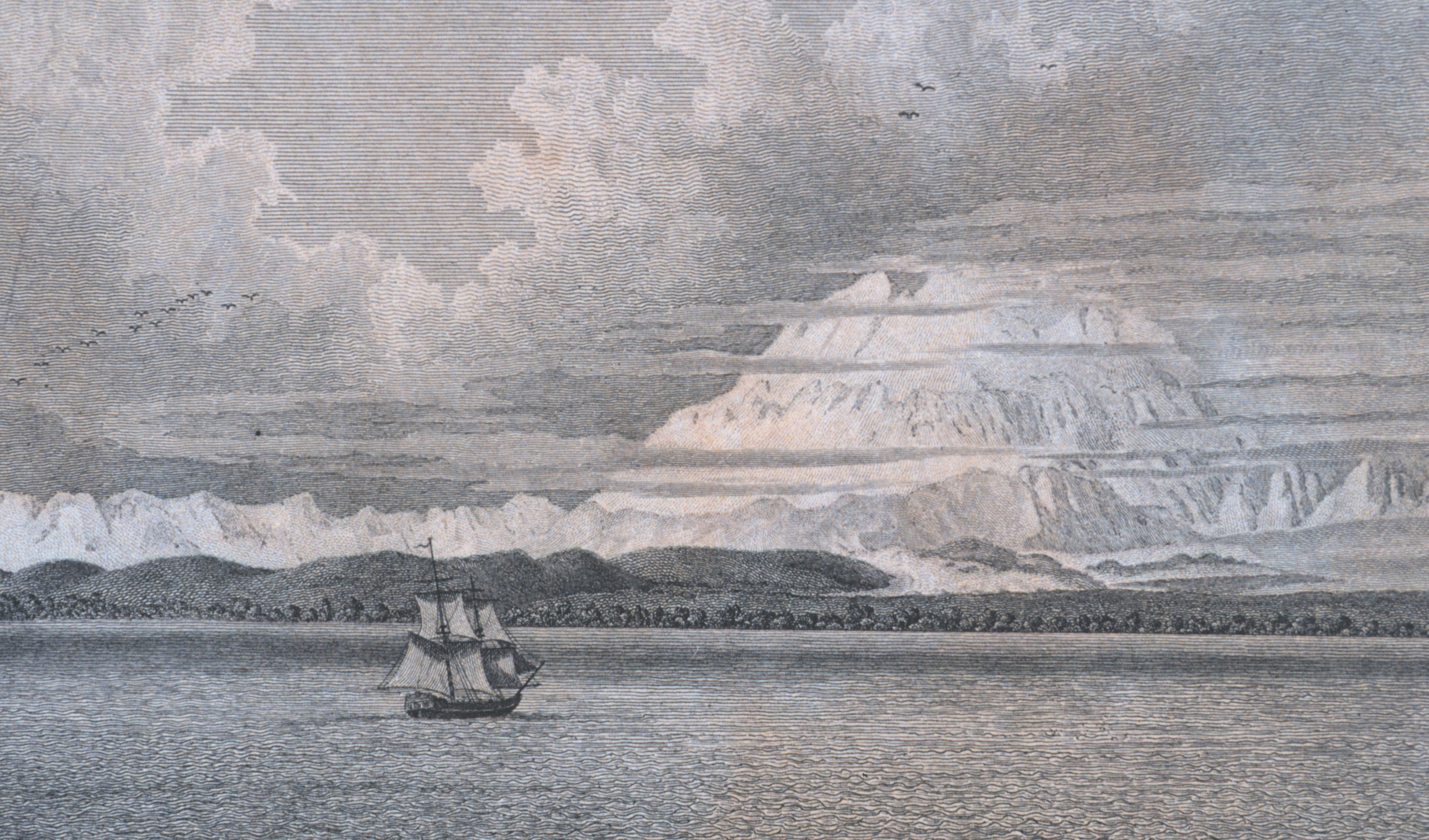
Discovery (1873)
The whaler Bloodhound was built in 1872 in Dundee by Stephens & Sons. When it was purchased by the Admiralty and converted for exploration in 1875 to reach the North Pole via Smith Sound, it was renamed to Discovery. RRS Discovery (1901) was named after this whaler, and was also influenced by its design; combining Dundee’s expertise in designing and building wooden whaling ships with the specification of an ice-breaker, ready to tackle Antarctic plains.
Discovery (1901)
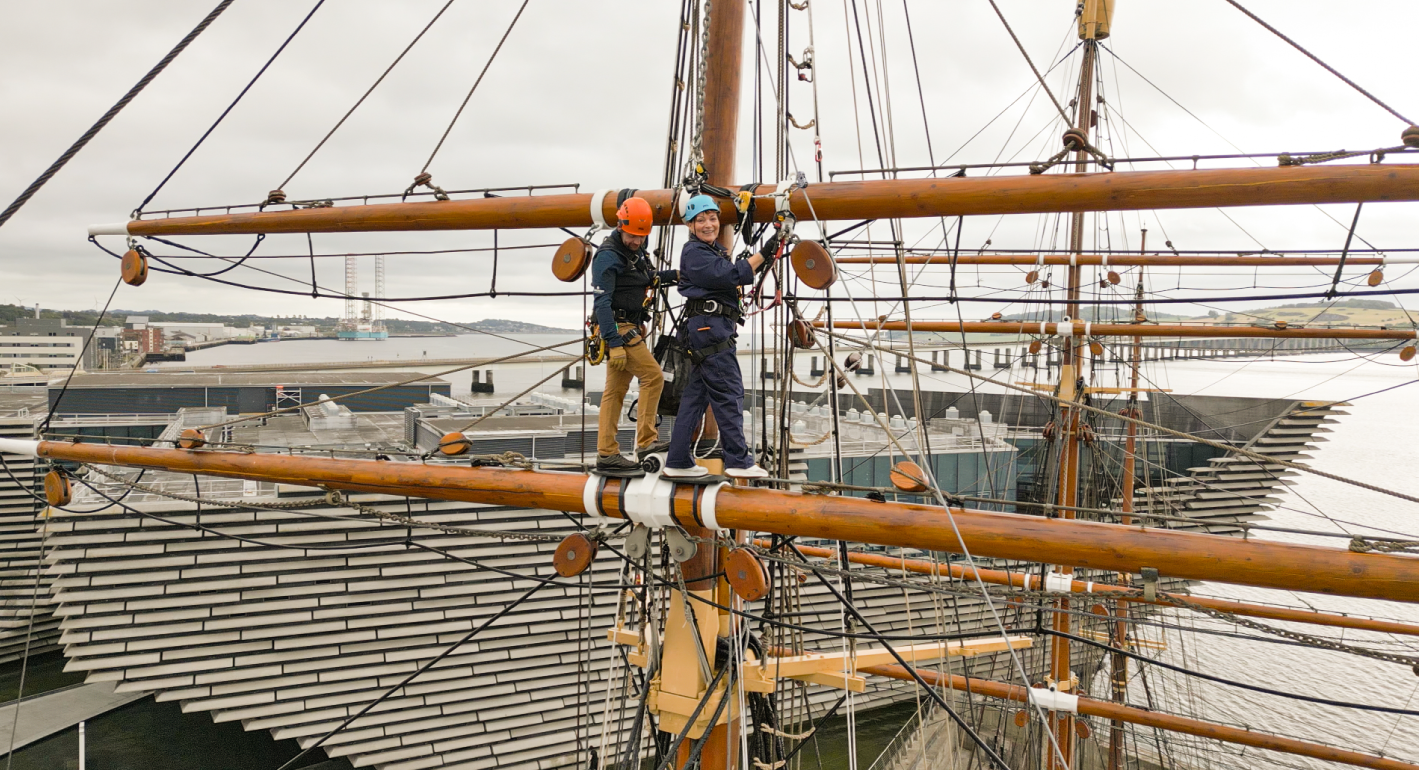
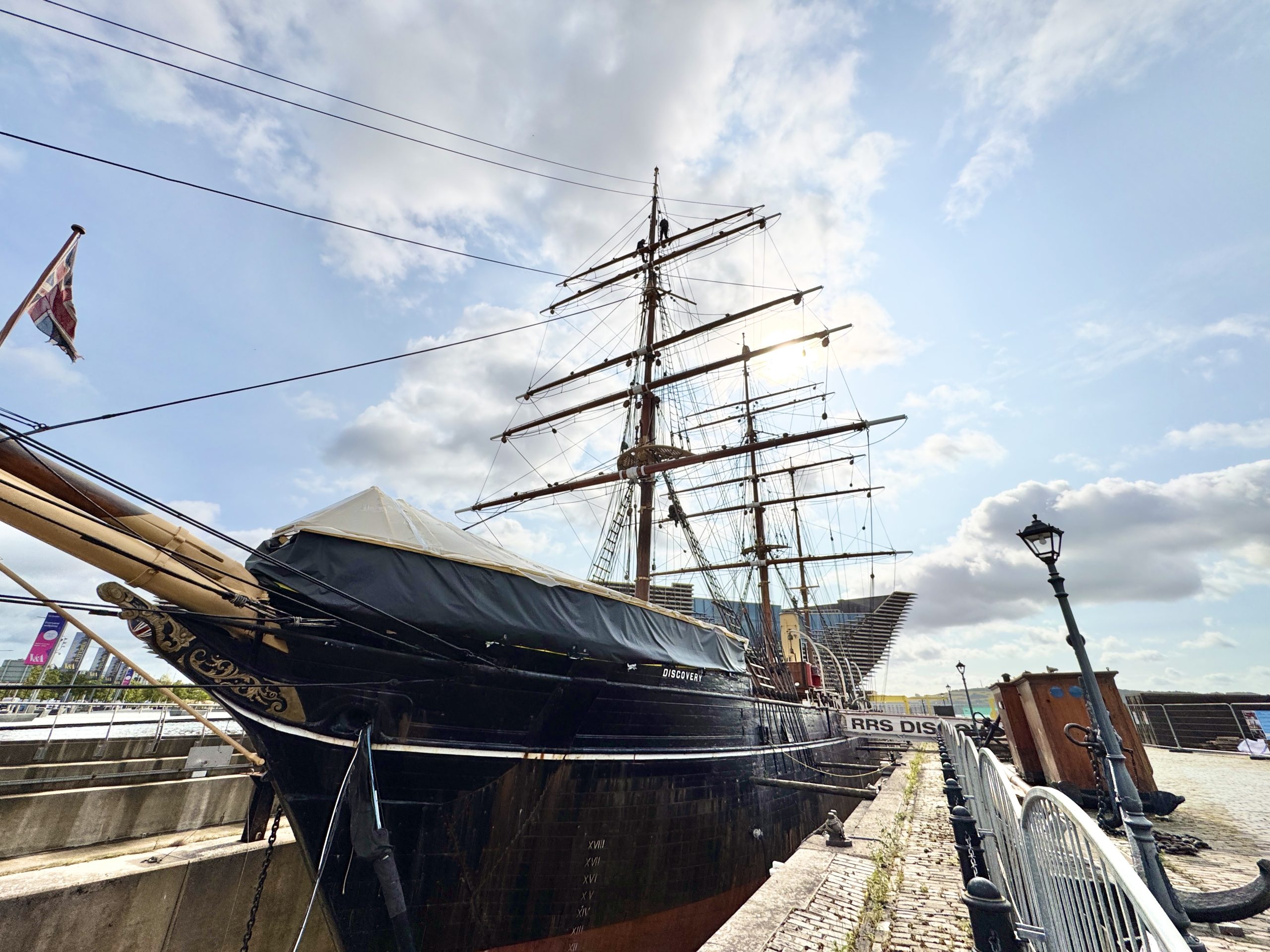
Constructed in Dundee in 1900 in less than 12 months, Discovery was specially-designed for the British National Antarctic Expedition, led by Captain Scott from 1901-1904. While the design was based on the great Dundee whalers, some modifications were needed. The commission was given to the Dundee Shipbuilders Company to construct the ship at the city’s Victoria Dock. Much of the documentation about the Royal Geographical Society’s work to set up the expedition survives.

Other Royal Research Ships
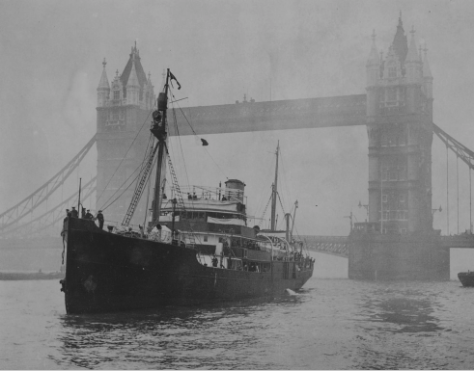
Taking its name directly from RRS Discovery 1901, the RRS Discovery II was built by Ferguson Brothers in Glasgow in 1929. It was a steel steamer and was used to study whales and the chemical and hydrological properties of the Southern Ocean. Between 1929 and 1939 she steamed over half a million sea miles. In January 1936 it was used to rescue airmen Lincoln Ellsworth and Herbert Hollick-Keynon, after they ran out of fuel during a trans-Antarctic flight.
RRS Discovery III was built by Hall Russell & Co, Aberdeen in 1962 and was 2665 gross tonnage. It was a research vessel used to undertake surveys of the ocean floor, measure ocean currents and monitor climate change until 2012.
The latest RRS Discovery is a research vessel utilised by the National Oceanography Centre and was named by HRH the Princess Royal in 2013. It has deep ocean capability and undertakes a range of research to help understand climate change, ocean acidification and impact on ecosystems.
Recreational and Cruise ships
There is a brand of sailing yachts from the Discovery shipyard in Southampton and a number of cruise ships which hold the name Discovery.
The cruise ships have changed their names over the years following new owners and refurbishments. They include the Spirit of Discovery which is a Saga Cruise ship dated from 2019, has 58,250 gross tonnage and holds around 999 passengers and a crew of around 520. Another is the Marella Discovery, a Marella Cruises ship that originally sailed as Splendour of the Seas for Royal Caribbean. It was built in 1995, has 69,130 gross tonnage and holds a round 1,830 passengers and around 750 crew. It has a sister ship, Marella Discovery 2, which was also originally a Royal Caribbean ship, launched as Legend of the Seas in 1995. It has a gross tonnage of 69,472 and can hold 2,074 passengers.
Spacecraft
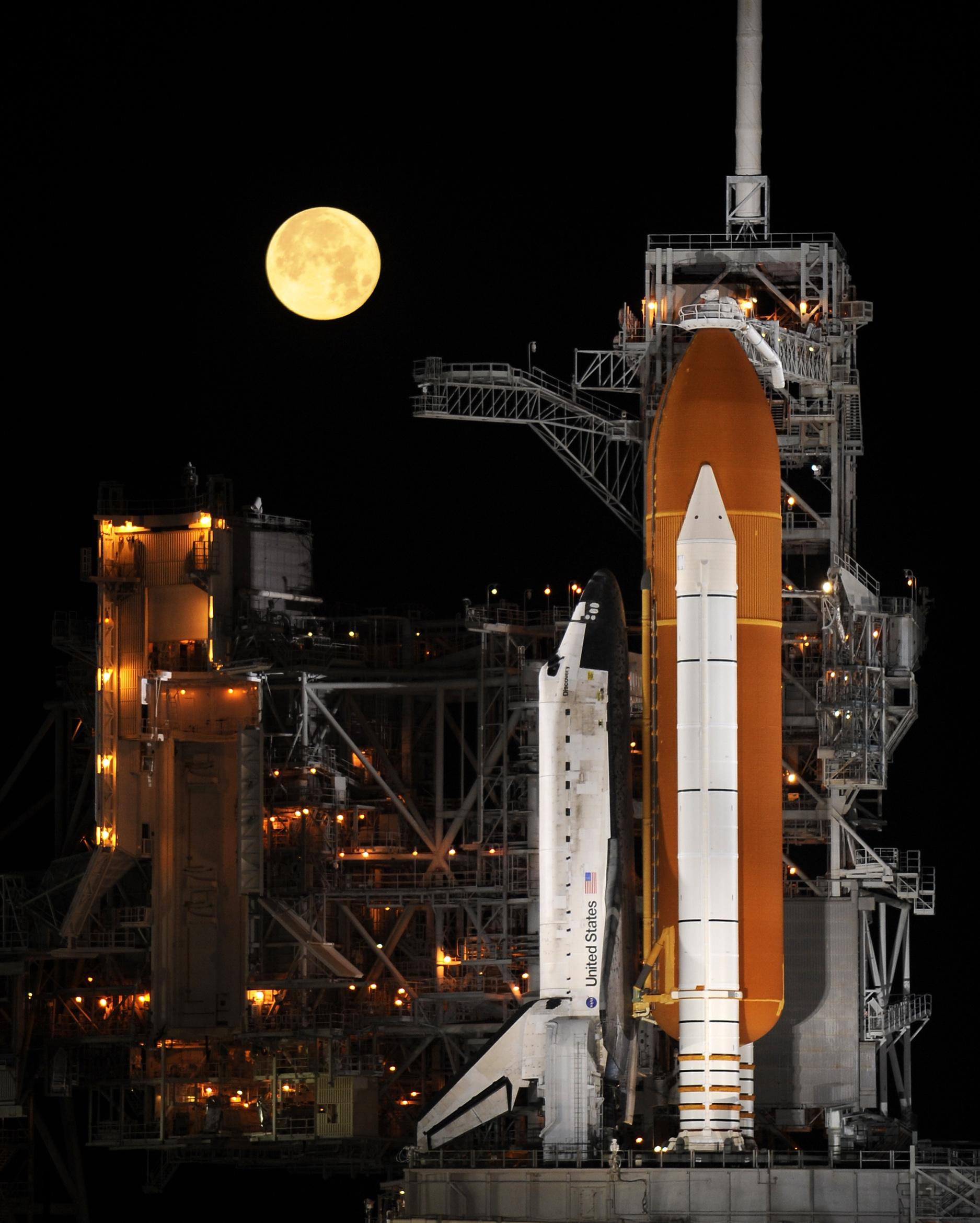
There are also ships that have ventured ‘out of this world’ sharing the name Discovery, including the Space Shuttle OV/103.
According to NASA, Discovery OV-103 was named after one of the two ships used by the British explorer Captain James Cook when he discovered Hawaii, and explored Alaska and northwestern Canada in the 1770s. Discovery was the third operational shuttle and made its first flight, STS-41D, in August 1984. Discovery has flown more than any other shuttle with 39 missions under its belt. Discovery’s noteworthy career also includes both Return to Flight missions after the Challenger and Columbia accidents. Discovery deployed NASA’s Hubble Space Telescope, which has altered the way we see and think of our universe. Discovery was the first space shuttle retired from NASA’s fleet, following its STS-133 mission to the ISS in February/March 2011.
Another spaceship with the name Discovery, albeit fictional, is the Star Trek science ship NCC-1031 which is also said to be named after the NASA space shuttle and the primary designer was John Eaves. As part of the Star Trek fleet it is a science vessel from the year 2256 and was able to time travel using a mycelium spore drive.
Who knows what other ships have been and will be inspired by the RRS Discovery and her important role in Antarctic exploration.
-
 News04/07/2024Discovery Point
Digital Twin of RRS Discovery Created
How do you create a digital twin of a 1901 Royal Research Ship? -
News29/01/2026Discovery Point
RRS Discovery Conservation Enters Second Phase
Phase Two of conservation begins aboard Captain Scott and Shackleton’s Antarctic ship, Discovery, in Dundee. -
Museum admission21st Mar 2026 – 1st Mar 2027Discovery Point
Exhibition: Unseen Discoveries
Hidden gems from the 1901 Expedition are revealed from our Collections.

Keep in touch!
You’ll receive exclusive insights into our work behind-the-scenes at Discovery Point and Verdant Works Museum, be first to know about upcoming events and exhibitions and, discover how you can help support Dundee Heritage Trust. You can unsubscribe at any time.